Woks have a way of drawing cooks in. The first time I picked up a wok, I underestimated its versatility and the diffused differences that include completely different resources. If you've got you have got stood in a kitchenware aisle or scrolled by means of pages of cookware, you've normally paused on the question: forged iron or carbon steel? Both have loyal fans and storied histories, but what approximately the expense - each on the funds sign in and in on a daily basis use? Let’s step with the aid of the authentic variations, surprises, and trade-offs among those two classic woks.
The Heritage of Each Wok
In Chinese kitchens, woks have been central for centuries. Carbon metal have become renowned in the twentieth century, prized for its lightness and responsiveness. Cast iron has roots even deeper, with thick-walled models desired for stewing and deep-frying in northern China. Western kitchenware brands have brought their own twists, sometimes complicating the picture with seasoning shortcuts or additional coatings.
Understanding this context concerns. A wok shouldn't be just a pan: that is a software formed by means of generations of cooks refining its design for their stoves and foods. The cloth you desire affects how you prepare dinner and what you pay.
What Drives the Price?
The sticker expense of a wok is fashioned by way of numerous causes: raw subject matter value, exertions, manufacturing area, brand attractiveness, and additional positive aspects. Carbon metallic is less expensive per pound than solid iron. However, labor expenses can turn this. Hand-hammered carbon steel woks from China can cost two times as so much as device-forged iron ones from a Western brand.
Cast iron woks differ dramatically. You’ll see undemanding versions from Chinese brands starting round $30 to $50 for a 14-inch wok, now and again less if unbranded. Western solid iron (believe Lodge) can climb to $70 or extra, partly because of the thicker walls and tooth coatings.
Carbon metal woks commence low: $20 to $forty for entry-degree, heavily produced pans. If you want hand-hammered or distinctiveness shapes (pow woks with circular bottoms), are expecting $60 to $one hundred twenty, above all while imported or made by way of artisans.
The numbers best inform half the story. You also pay in weight, seasoning attempt, renovation, and adaptableness. These hidden rates most commonly matter just as a good deal as the upfront payment.
Comparing Everyday Use
Price is not often well-nigh payment; it is also about time and pride. I be counted my first forged iron wok - a beast at almost 9 kilos empty. It held warmness beautifully yet left me winded after twenty mins of tossing greens. In distinction, my admired carbon metallic wok weighs underneath 4 pounds and actions with me across the burner.
Heat Performance
Cast iron excels at holding warmness. This makes it amazing for deep-frying or braising in which consistent temperature topics more than sudden shifts. On the alternative hand, carbon steel heats up instantly and responds immediate when you improve or cut the flame - wonderful for stir-fries that demand break up-2nd timing.
If you cook dinner on an induction cooktop or glass-suitable electric powered range, weight becomes even more relevant. Some glass cooktops crack under heavy cast iron. For top-BTU gas stoves, either cloth will work; however on dwelling house burners that lack persistent, carbon metal's responsiveness many times makes up for its lessen warmth retention.
Seasoning and Maintenance
Seasoning is wherein many shoppers underestimate their investment. A https://augusthdtb410.tearosediner.net/cast-iron-wok-vs-carbon-steel-which-is-best-for-your-kitchen-2 new forged iron wok can even arrive pre-pro if offered from a Western manufacturer (like Lodge), however such a lot Asian units require a couple of rounds of oiling and heating in the past they are equipped. Carbon metal wishes comparable care: washing off factory oils, burning off residues over high warmness, then building up layers of polymerized oil because of repeated cooking.
Here’s a fast comparative checklist for seasoning:
Preparation: Both want initial scrubbing and seasoning except pre-pro. Ease: Carbon steel seasons swifter as a result of its smoother pores. Durability: Cast iron holds seasoning longer yet chips if dropped. Maintenance: Both call for easy washing (no soap), fast drying, re-oiling after use. Repair: Rust is simpler to put off from carbon metal; forged iron wants greater vigilance opposed to deep pitting.If you’re new to wok cooking and impatient with repairs, a pre-seasoned forged iron adaptation would possibly part out carbon steel in comfort - in any case until you get gentle keeping your own patina.
Cooking Versatility
This comes down to how you cook dinner typically. Cast iron’s thick base assists in keeping oil temperature consistent for deep-frying spring rolls or chook wings. But it takes longer to heat up for swift stir-fries - repeatedly long sufficient that veggies steam instead of sear.
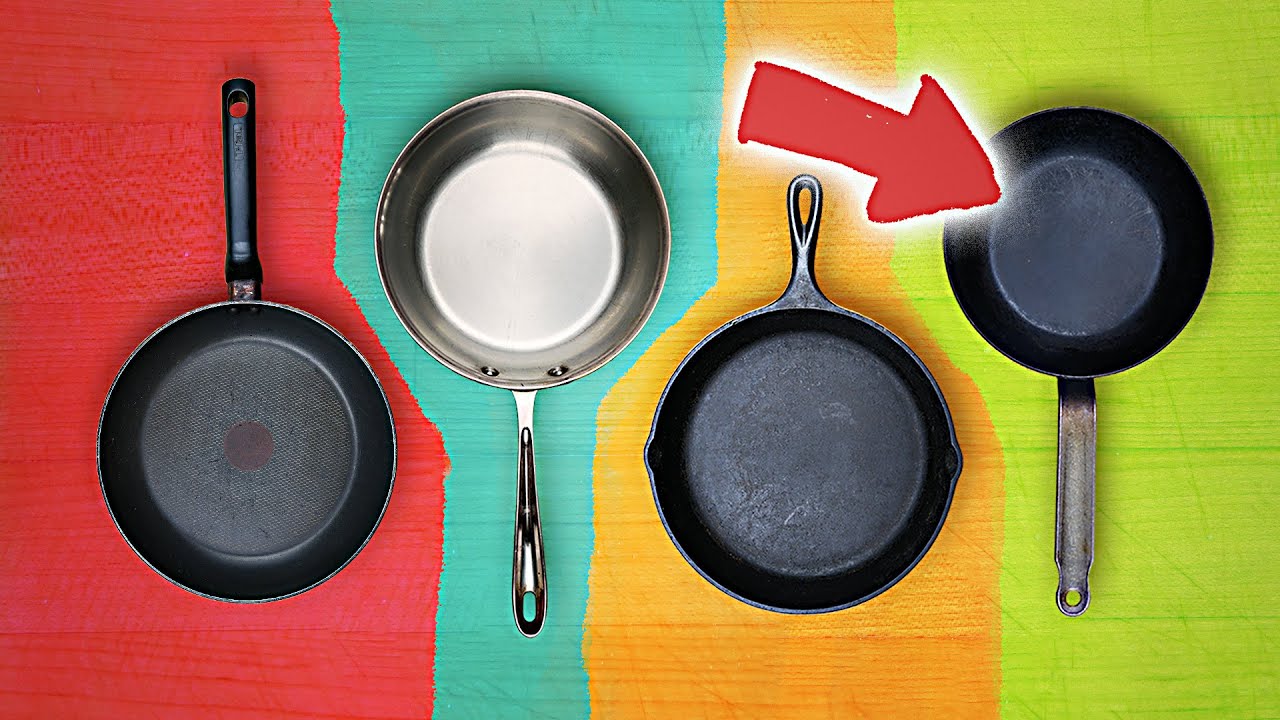
Carbon metal is nimble. Its lighter body means that you can toss noodles with one hand while flipping an omelet with the alternative. If “wok hei” - that coveted smoky aroma from excessive-heat stir-frying - is your function, carbon metallic gives you a more effective shot at reaching it on a well-liked domestic range.
The turn aspect: carbon metal is much more likely to warp if overheated empty or uncovered to unexpected temperature shifts (like rinsing a hot pan with chilly water). Cast iron shrugs off abuse however can crack if dropped on tile floors.
Longevity vs Cost Over Time
A properly-cared-for wok ought to final a long time. The change is in how it ages. My grandmother’s solid iron has considered 40 years of provider; its surface is darkish and glassy from 1000's of nutrients. A loved one’s carbon steel, obtained ten years in the past at a moist market in Guangzhou for about $15 USD, nevertheless outperforms maximum modern nonstick pans - however its backside is a little choppy from years on an old coal stove.
If you’re trying to find pure longevity consistent with buck spent:
- Cast iron wins for those who accept its weight and deal with it gently. Carbon metal also can desire to get replaced each decade or so if abused, however cautious customers get generations of service.
Enamel-lined cast iron complicates things. The coating prevents rust however chips absolutely with metal utensils or excessive warmth. Once chipped, it exposes raw iron that rusts effortlessly - probably requiring replacement a long way earlier than naked steel woks.
Price Beyond the Pan: Accessories and Upkeep
Your wok is simply as fantastic as your setup helps. Consider the extras:
- Handles: Cast iron sometimes has loop handles; carbon metallic would have timber “helper” handles that remain cool. Lids: Rarely included. Expect to spend yet another $10-$20. Wok jewelry: Useful for around-bottomed fashions on flat Western stoves. Brushes or bamboo scrubbers: A few money however necessary for protection. Oil for seasoning: Any impartial oil works; don’t purchase “seasoning kits.”
These extras add up - repeatedly a different $20-$40 on prime of your initial acquire.
User Experience: A Cook’s Perspective
I’ve cooked with the two in house and restaurant settings. For catering jobs, in which speed topics and I is probably cooking for hours at a stretch, carbon metal wins hands-down: lighter, more straightforward to clear among batches, less draining on my wrists. The drawback indicates up in wide-scale deep-frying or lengthy braises; right here, cast iron’s mass will pay off by using conserving continuous heat once I pour in cold substances.
At house, I reach for forged iron once I favor a one-pot meal to hold warm temperature on the table - assume mapo tofu or pink-cooked pork abdominal. For weeknight stir-fries or anything else concerning swift pours of sauce and greens in succession, carbon metal gets the nod.
One disregarded distinction is how each one fabric interacts with acidic meals. Tomato-primarily based sauces or vinegar-heavy stir-fries can strip seasoning from each versions, yet solid iron is extra weak if not completely seasoned. Some chefs avert utilising potent acids in their forged iron altogether except they consider their patina is mature.

A Brief Table: Typical Price Ranges and Features
| Type | Typical Price Range (USD) | Weight (14-inch) | Heating Style | Seasoning Required | Durability | |-------------------|--------------------------|------------------|--------------------|--------------------|---------------------------| | Cast Iron | $30 - $eighty | 7 - 12 lbs | Slow/Even | Yes | Decades with care | | Carbon Steel | $20 - $120 | three - five lbs | Fast/Responsive | Yes | Decades if maintained | | Enamel Cast Iron | $70 - $one hundred fifty | 8 - thirteen lbs | Slow/Even | No | Chips shorten lifespan |
Prices vary centered on emblem and finish. Expect top charges for hand-hammered or imported models. Entry-point techniques are serviceable if you happen to make investments time in suited seasoning.
Who Should Buy What?
If your kitchen is small or your wrists tire surely, carbon metallic’s decrease weight is a aid. Apartment dwellers with induction stoves may additionally locate cast iron less difficult to pair with their cooktops because of its magnetic heft. Outdoor cooks who love campfire stir-fries have to observe that forged iron stands up enhanced to open flames and rough managing.

Budget-wakeful consumers get more significance in keeping with buck from carbon metal until they crave a pan that doubles as a serving vessel for gradual-simmered stews. Cast iron rewards patience and care, at the same time carbon metal forgives moved quickly seasoning missteps - you could invariably strip to come back rust and start again.
Here’s a undemanding list of things to weigh whilst making a choice on:
Heat supply (gasoline is right for either; induction prefers solid iron) Cooking genre (brief stir-fries vs sluggish braises) Tolerance for weight Willingness to continue seasoning Budget for initial purchase plus required accessoriesReal-World Shopping Advice
Don’t be dazzled by using advertising claims or sky-top quotes. I’ve picked up amazing carbon steel woks in Chinatown department shops for much less than $25 that outperform clothier types 3 times the rate. Inspect welding pleasant on handles and forestall pans with painted rather than naked-metal interiors.
If you pick forged iron, are attempting lifting a display screen type prior to acquiring on-line - 9 kilos of pan feels different in hand than it seems to be in a photograph. If conceivable, desire one with a somewhat thinner wall for dwelling use; advertisement types will likely be overkill for modest stoves.
Seasoning continues to be the so much precious funding after your buy. Plan an hour for initial prep work beforehand your first meal; watch some motion pictures or ask an skilled loved one for directions when you’re not sure.
Final Thoughts: Value Lies in Fit
Ultimately, “Cast Iron Wok vs Carbon Steel” isn't just about money spent however about matching your gear to your needs and conduct. Both material supply marvelous significance if cared for correctly. Cast iron brings heft and historical past; carbon steel brings flexibility and speed. The perfect decision supplies years of risk-free cooking at a fraction of the rate - and a ways more effective pride - than jumping from one nonstick pan to an extra.
As you weigh your alternatives, contemplate now not just worth tags but the rhythm of your cooking lifestyles: how you cross on your kitchen, what you adore to eat, who you prepare dinner for. With care and exercise, both wok will benefits you with meals that sizzle with style and lifestyle. And that’s a go back on funding no spreadsheet can calculate.