Asian cooking is a dance of heat, stream, and timing. The suitable wok transforms that choreography from a careless shuffle to a nimble waltz. For house chefs and gurus alike, the controversy primarily circles round two main contenders: the cast iron wok and the carbon metallic wok. Both are steeped in history, each have their champions, and each can give mouthwatering outcome. But what units them aside in exercise? And which most fulfilling suits your own kitchen? I’ve spent a long time at the back of the stove, in eating place kitchens and at dwelling house, chasing that elusive breath of the wok - wok hei - and I’ve cooked with the two constituents less than all kinds of conditions. Let’s unpack their strengths and quirks, and spot how they form official Asian cooking.
The Soul of Stir-Fry: Why Wok Choice Matters
Woks don't seem to be just pans. They are the coronary heart of Asian kitchens, built for top heat, fast movement, and versatility. The drapery of your wok shapes all the things: how temporarily it heats, how it holds temperature, how nutrition sears or steams, even how it tastes over the years. The fallacious pan can turn a full of life stir-fry right into a limp pile of veggies. The precise one grants crisp edges, smoky aroma, and a hurry of fresh style in seconds.
When you listen “Cast Iron Wok vs Carbon Steel,” you’re quite asking: What more or less heat do I choose? How a good deal do I care approximately seasoning and preservation? Do I price way of life or comfort? The solutions are not often undeniable. Let’s inspect every preference up near.
Cast Iron Wok: Tradition, Weight, and Steadfast Heat
When workers picture cast iron cookware, they customarily imagine a Western skillet - heavy, black, constructed to final generations. A forged iron wok leans into those same qualities but with an Asian silhouette: around backside, sloping sides, two short loop handles or usually a unmarried stick maintain.
Cast iron woks come in two essential styles. The first, heavy Chinese cast iron, is thinner than Western pans however nevertheless has weight. The moment, broadly advertised within the US, is a thicker variation extra like a skillet with wok-like curves. I’ve cooked with both, although the Chinese variety is tougher to to find exterior Asia.
What does forged iron offer? For one element, it’s a champion at conserving warm. Once sizzling, it remains sizzling - a boon for frying or searing proteins without swift temperature drops. It’s forgiving when you’re working with modest home gas burners or electric powered coils, which battle to in shape the a hundred,000 BTUs of a Cantonese eating place flame.
This balance comes at a cost: forged iron is slow to warm up or settle down. If you overshoot your target temperature, food can scorch prior to you recuperate. Stir-frying calls for agility - brief tossing, including components in succession. With cast iron, timing will become even more important. You wait longer for the pan to preheat yet get much less forgiveness should you would like to stop or alter mid-move.
Another level: cast iron has heft. Even the thinner Chinese models are extraordinarily heavier than carbon metallic woks of similar dimension. This weight provides self assurance for braises or stews yet makes flipping and tossing greater not easy - tremendously one-surpassed. In my own kitchen, I succeed in for cast iron once I need a rock-regular pan for deep-frying tofu or making long-simmered crimson-cooked beef belly, no longer for rapid-fireplace vegetable stir-fries.
There’s additionally the question of seasoning and surface texture. Cast iron woks improve a nonstick patina through the years if treated desirable - widespread oiling, gentle cleansing (not ever soap), and patient use. However, their rougher floor (fantastically on Western-made variations) method a few meals will stick until eventually a deep seasoning builds up. Acidic sauces can strip that coating if left too long.
Carbon Steel Wok: Agility, Responsiveness, and Everyday Versatility
If there’s a workhorse of Asian kitchens, it’s the carbon steel wok. Almost every highway vendor in Bangkok or family cook in Guangzhou uses one. The reason why is evident: carbon metal is pale, heats quickly, and responds quickly to modifications in flame.
The commonplace carbon steel wok feels active in the hand. Even a sizeable 14-inch style weighs lower than 3 pounds once pro. That means tossing vegetables or noodles with a flick of the wrist is straightforward - an very important cross for getting each and every morsel involved with searing-sizzling steel. The pan heats up quick and cools straight away once you transfer it off the burner. This responsiveness allows for precision: when garlic threatens to burn, you possibly can save the dish with the aid of lifting the wok or dialing down the warmth.

A professional carbon metal wok develops a slick patina that opponents Teflon over time. The first few makes use of is also sticky affairs, incredibly with eggs or tofu, yet with consistent use and care (and warding off the dishwasher at all charges), the surface darkens and smooths out superbly. I nevertheless don't forget my first carbon steel wok - received for $15 in a Chinatown save, blue-grey and raw out of the field - progressively turning shiny black after months of fried rice and kung pao fowl.
Carbon metallic does demand repairs. It rusts actual if left moist or exposed to acid for long sessions. After both use, I dry mine over low warm on the burner and rub in a tiny drop of oil simply by a wad of paper towel held with tongs. It’s a ritual as a great deal as a chore. The praise: meals lifts off cleanly, flavors continue to be pure, and the pan turns out basically alive with use.
Side-by way of-Side: Comparing Key Attributes
Let’s line up the most imperative explanations that shape on daily basis cooking with solid iron and carbon steel woks. This desk reflects fingers-on experience with the two models over years in Asian kitchens.
| Attribute | Cast Iron Wok | Carbon Steel Wok | |--------------------|-------------------------------|-------------------------------| | Heat Retention | Excellent | Good | | Heat Responsiveness| Slow | Fast | | Weight | Heavy (four-8 lbs) | Light (2-four lbs) | | Seasoning | Builds slowly; rougher at first| Builds fast; sleek surface| | Rust Resistance | Moderate (if professional) | Poor (requires vigilance) | | Tossing/Tossability| Difficult | Easy | | Price Range | $30-$a hundred and twenty+ | $15-$60 | | Durability | Can closing generations | Can ultimate generations | | Compatibility | Great for braising, deep-frying| Best for stir-frying, smoking |
Real-World Cooking: Where Each Wok Excels (and Falters)
Cast Iron Wok in Action
When I coach students easy methods to make Sichuan dry-fried red meat or Taiwanese 3-cup poultry, a forged iron wok shines. These dishes need regular heat over a longer period, no longer frantic tossing over an inferno. Cast iron holds oil temperature for deep-frying spring rolls with out wild fluctuations. Its mass supplies confidence while simmering purple-braised pork for hours with no fear of burning.
Where does it fall quick? Quick stir-fries of mushy vegetables or scrambled eggs can stick stubbornly till the seasoning becomes flawless. The weight also makes tossing exhausting on smaller wrists; some employees only set the wok on its ring and stir with spatulas as an alternative.
Carbon Steel Wok at the Front Line
If I’m making pad thai for a crowd or tossing snow peas with garlic in mins flat, in basic terms carbon metallic will do. The pan leaps to life within seconds on prime warmness, letting me chase that fleeting wok hei - the smoky aroma prized in Chinese cuisine. The lightweight layout invites action; flipping fried rice high into the air feels natural, now not like weightlifting.
Of path, carbon metallic punishes neglect. Leave it wet in a single day and rusty patches bloom. Scrub too difficult or prepare dinner acidic meals (like tomato-primarily based sauces) for long periods and the seasoning flakes off, requiring endurance to rebuild.
The Myth of Nonstick: Seasoning as an Evolving Journey
Both constituents demand seasoning - a task of bonding oil to steel over repeated use until meals lifts unfastened with little attempt. It’s tempting to are looking for out pre-seasoned woks or nonstick coatings as shortcuts, but those hardly ever healthy the performance of a real patina.
Seasoning is as an awful lot about approach as time. The first few foods will continually be messier: scrambled eggs stick, bits of chook weld themselves to the underside. Resist the urge to panic or scrub with cleaning soap. Instead, hinder cooking oily meals (beef abdominal works wonders), smooth lightly with sizzling water and a mushy brush, and dry very well. Over weeks, you’ll notice the replace: a black sheen develops on carbon metallic; cast iron takes on a darkish brown glow.
I’ve viewed woks surpassed down by households, their surfaces so slick that fish slides off with barely a nudge. This transformation purely takes place using traditional use and care. In my possess kitchen, I keep two woks side through area: one carbon metal for day-after-day stir-fries and eggs, one solid iron for deep-frying and long-simmered dishes. Each tells its very own tale thru layers of seasoning accrued over years.
Handle Types, Shapes, and Ergonomics
Handles matter extra than many realise. Traditional Cantonese woks sport two brief metal loops, often called ears, which live relatively cool and allow for sturdy lifting with both arms. Northern-type woks most commonly have a unmarried lengthy wood tackle plus a helper loop - most appropriate for tossing over open flames.
Cast iron woks probably want loop handles because of their weight; swinging one-surpassed is hazardous trade unless you have forearms like a blacksmith. The stick tackle on carbon steel versions makes tossing rice or flipping vegetables very nearly playful.
I once watched an previous chef in Guangzhou wield a sixteen-inch carbon steel wok like an extension of his personal arm, flicking pea shoots over roaring flames with practiced ease. Try that with an eight-pound cast iron monster and also you’ll know why manage option impacts no longer just convenience but system itself.
The Role of Heat Source: Gas vs Electric vs Induction
A wok’s overall performance lives and dies with the aid of its warm source. Gas flames crown carbon metal as king: direct touch enables you to superheat the metal in seconds and keep an eye on temperature through transferring the pan in and out of the fire. Cast iron benefits from gas too however is more forgiving on electric powered coils due to its regular heat retention.
Induction cooktops complicate things. Most carbon metal woks work well in the event that they have sufficient flat contact house; around-bottomed versions may possibly wobble or fail to cause induction sensors. Cast iron, being magnetic and heavy, sits firmly on induction surfaces but takes its time to heat up.
Flat-bottomed woks guide bridge those gaps for domicile chefs with no top-powered gasoline degrees. In my trip, carbon metallic flat-bottomed woks adapt superb to Western kitchens - they'll lack a few authenticity yet convey actual outcome on minimize-powered stoves.
Upkeep and Longevity: Rituals That Shape Flavor
No remember your choice, repairs is component of the event. A professional wok is like https://blogfreely.net/zoriusvncz/heat-retention-cast-iron-wok-vs-carbon-steel-explained-04qm an vintage family member: resilient, low-renovation, necessarily in a position for a further meal - awarded you deal with it correct.
Here’s a standard post-cooking care activities that works for either models:
Rinse the wok lower than sizzling water even though it’s nevertheless heat (certainly not cold water on warm solid iron). Scrub gently with a delicate brush or bamboo whisk; stay away from detergents. Dry thoroughly over low warmth on the range. Rub in a thin movie of neutral oil (peanut or canola work well) even as still warm. Store exposed in a dry spot.Skip these steps and rust will creep in, primarily on carbon steel. For stubborn stuck-on bits, boil water in the wok for a few minutes and loosen gently with a timber spatula.
Price and Value: What Are You Really Paying For?
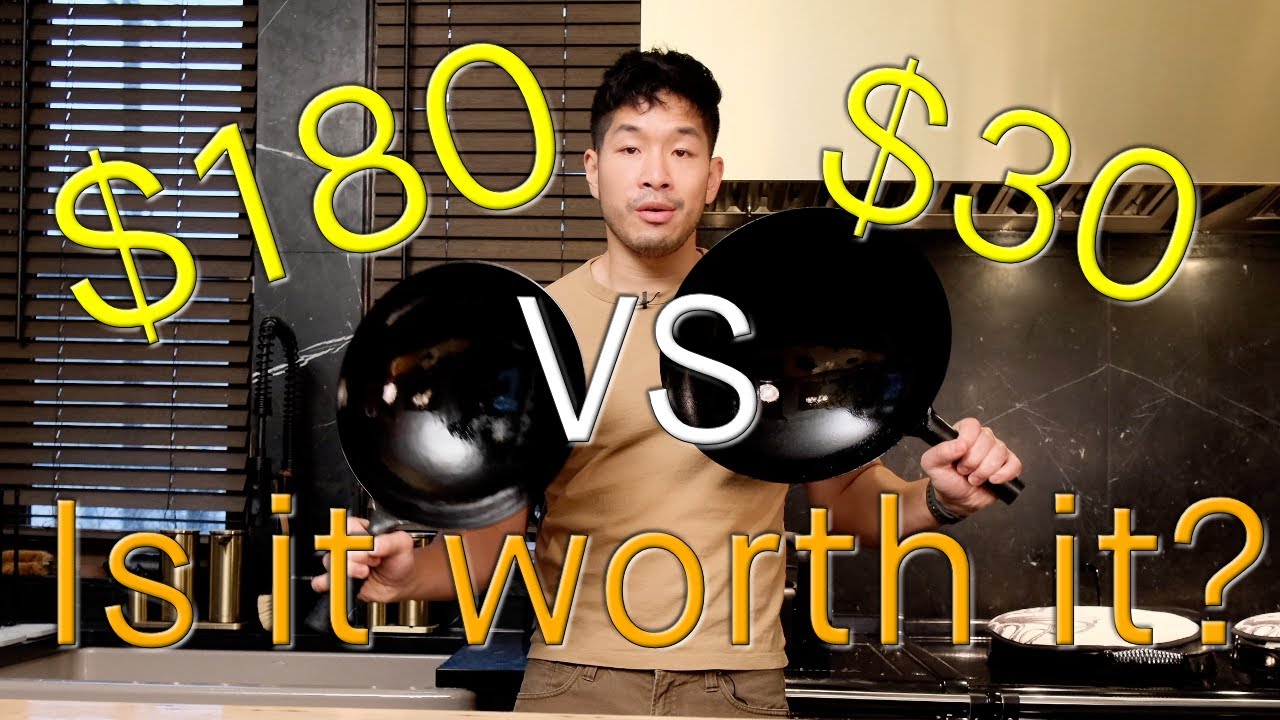
Genuine carbon metal woks remain the various most productive kitchen bargains. A reliable 14-inch type from a Chinatown shop quotes $20-$30; even branded types hardly ever accurate $60 unless imported from Japan or Taiwan. Cast iron woks differ more: Chinese types start out round $forty but can climb beyond $a hundred for thick Western-made brands like Lodge.
The authentic funding is time, not money - seasoning your wok, learning its quirks, development trust with every single meal. A effectively-maintained wok of both style will simply remaining many years and can become a family heirloom.
Choosing What Suits Your Kitchen
If your pastime is excessive-heat stir-frying, making fried rice that dances with smoky aroma, or learning speedy-cooked greens, carbon metallic brings unrivaled agility and responsiveness. For folks who deep-fry pretty much or love sluggish-braised dishes that simmer for hours, solid iron rewards endurance with strong heat and mighty style pattern.
Some cooks avoid equally reachable - grabbing carbon steel for weeknight food and reserving cast iron for exceptional initiatives or while additional balance is needed on an electric powered range.
For first-timers with no get entry to to blazing gasoline burners, bounce with a flat-bottomed carbon steel wok. It adapts neatly to such a lot Western stovetops and builds confidence quickly. Those who crave subculture or want to experiment with lengthy-simmered recipes should consider adding cast iron later.

The Final Flavor
There’s no single “superb” wok for each and every cook dinner or food - merely what fits your conduct, range classification, capability, and flavor for ritual as opposed to convenience. Both solid iron and carbon steel bring centuries of culinary knowledge inside their curves; either benefits care and punish overlook; both remodel user-friendly additives into exclusive ingredients while dealt with smartly.
My personal kitchen tells the story: battered carbon metal for lightning-quick stir-fries for the period of busy nights; reliable cast iron after I crave deep-fried dumplings or pink-cooked pork that melts less than chopsticks. Each has earned its region via years of loyal provider - and maintains shaping new flavors day-to-day.
If you’re simply establishing out to your personal ride into factual Asian cooking, don’t pressure over perfection or pedigree. Choose the wok that matches your rhythm and include its quirks as portion of your culinary event. The factual mystery lies now not in the metallic itself however in how you utilize it - with curiosity, persistence, and joy at every meal.